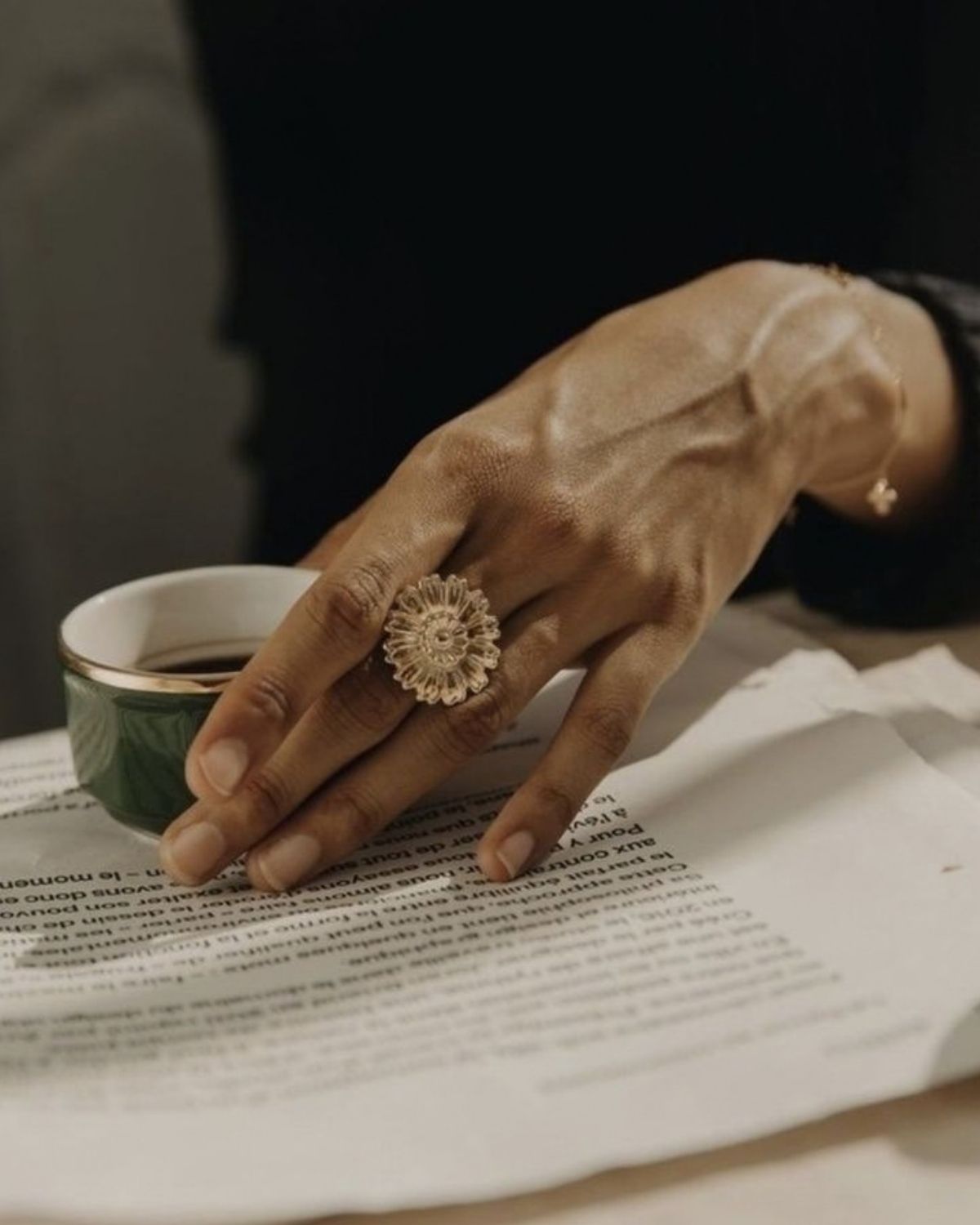
In this world, the most dangerous women are often the ones mistaken for decoration—the ones sitting quietly at the end of the table, turning a gold ring on one finger while everyone else makes increasingly expensive mistakes.
They are rarely the loudest people in the room.
They are often the ones deciding how it ends.
—
Dynasty Protocol is a series of standalone luxury crime suspense novels where old Sicilian bloodlines collide with modern intelligence—and women who were never supposed to inherit power become exceptionally good at using it.
No leather jackets. No chest-beating. No woman waiting to be saved.
This is silk-lined sabotage. Threats delivered over aperitivo. A flash drive tucked into a Chanel clutch. A drone circling Palermo while lunch stretches into its third hour and somewhere, very quietly, a man’s future is being rearranged.
The estates are real. The loyalties are ancient.
And, so are the grudges.
At the center is the Consortium, a network of Sicilian women whose power grew out of the structures they kept alive when formal power failed around them. What began as survival became something far more interesting: access, money, property, intelligence, introductions, favors, leverage—and the freedom to decide what happens next.
They know which door can be opened. Which contract can be rewritten.
Which dinner actually matters. And, which woman should own the business everyone else assumed would be sold.
They are not trying to prove they belong at the table. They already know who made the reservation.
Across the Atlantic, the American Digital Syndicate operates by a different code: surveillance, systems, financial intelligence, digital pressure, and women who learned early that being underestimated is only a disadvantage if you waste it.
Old power remembers.
New power adapts.
Both know exactly what they’re worth.
—
Every book begins when somebody miscalculates the reach of this world. A rival tests the perimeter. An old debt resurfaces. A beautiful opportunity comes with one ugly complication. Someone reaches for something—or someone—they should have left alone.
Then the machinery starts. A number buried in a ledger. A favor called in over lunch. A car leaving Palermo before sunrise.
A message routed through three countries. A woman everyone dismissed making the one move nobody saw coming. By the time the person who caused the problem understands what happened, the problem has usually changed ownership.
Each story stands alone, driven by old loyalties, new appetites, private rivalries, dangerous alliances, and the particular pleasure of watching exceptionally capable women solve problems in ways that are elegant, ruthless, and occasionally very funny.
They have scars.
They have secrets.
They do not always like one another.
But they know what they built.
And they intend to enjoy it.
—
For readers drawn to psychological suspense, aristocratic glamour, criminal intrigue, and whip-smart women who understand that power is best used quietly, Dynasty Protocol delivers La Dolce Vita with teeth—luxurious on the surface, tightly wound underneath, paced like Patterson and dressed like Valentino.

COMING IN JANUARY 2027
SACRED PROMISE
A Dynasty Protocol Novel
André Bianchi knows how power survives.
As head of one of America’s most formidable crime families, he has built his future on reach, intelligence, and adaptation. His marriage to Valentina Lombardi is meant to do something even older: unite two powerful families across an ocean and make both harder to threaten.
Valentina Lombardi knows Sicily survived by doing almost the opposite.
For fifty years, Palermo’s old criminal order has remained fragmented, local, and deliberately difficult to map. Beneath it runs something even less visible: generations of women connected by relationships, obligations, businesses, and influence no hierarchy has ever managed to contain.
And Valentina has no intention of handing André the map.
Then a death at a Palermo estate sale exposes something neither of them knew existed: an old agreement between their families and a vanished branch of the Romanos, tied to port interests now worth vastly more than anyone could have imagined. A French descendant has inherited the claim. A German logistics empire has discovered the opportunity. And somewhere inside decades of missing records is a promise the Lombardis never stopped honoring—even after everyone forgot why.
The easiest solution would be to calculate what is owed and make the problem disappear.
But some debts aren’t really about money.
As André and Valentina follow the trail through old ledgers, modern corporations, family memory, and the invisible machinery beneath Palermo, they discover that the question threatening their new alliance is the same one buried in Sicily’s past:
When keeping a promise becomes inconvenient, expensive, and dangerous, does it still bind?