Join the Reader List
New releases, updates, and occasional notes from the worlds behind the books.
No spam. No social-media circus. Just the important stuff.
Join the Reader List
New releases, updates, and occasional notes from the worlds behind the books.
No spam. No social-media circus. Just the important stuff.
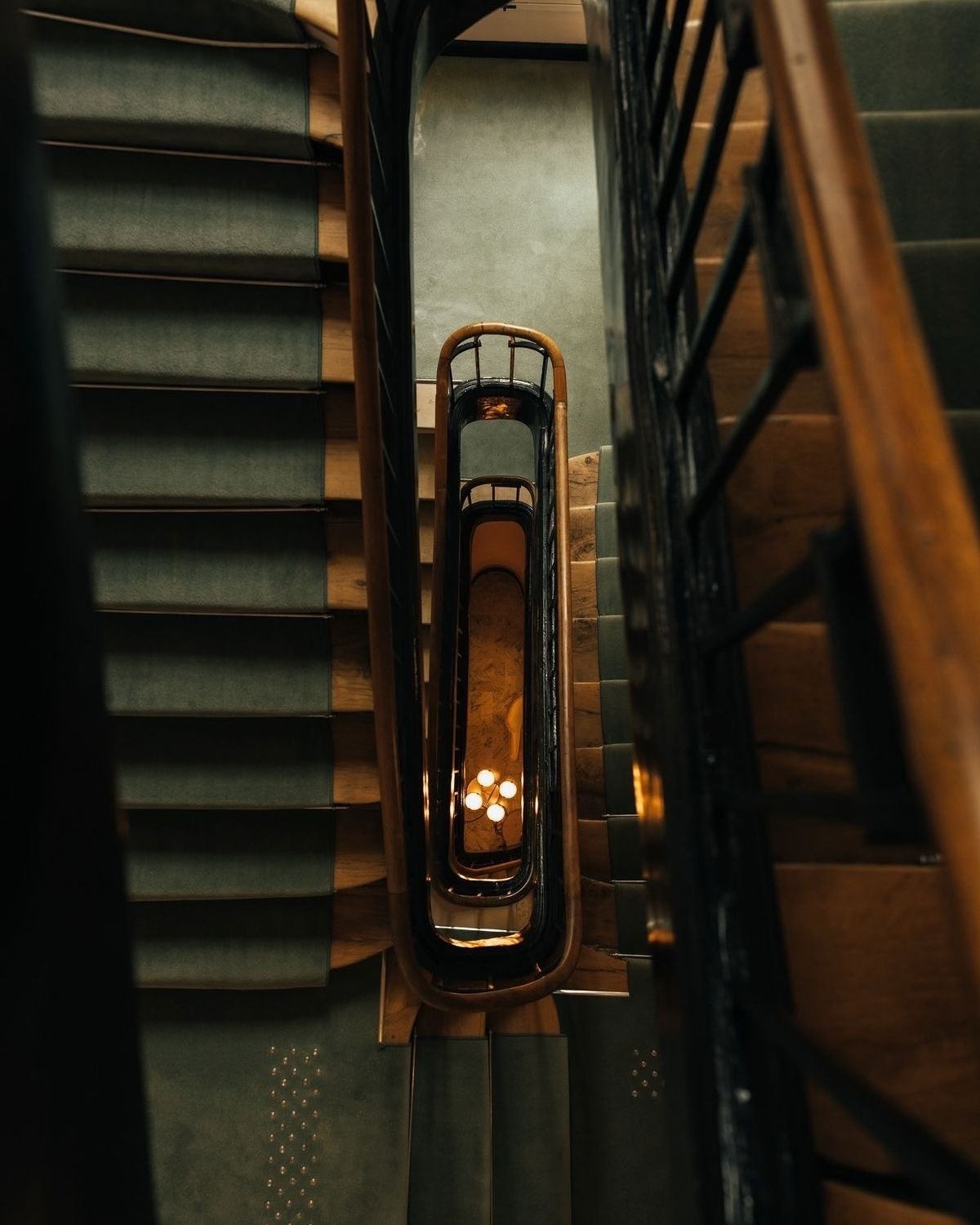
Large houses develop their own geography. Public rooms. Family rooms. Doors guests never notice. Staircases that make perfect sense only after you’ve lived there long enough to stop thinking about them. At Villa Lombardi, privacy was not secrecy. It was architecture.
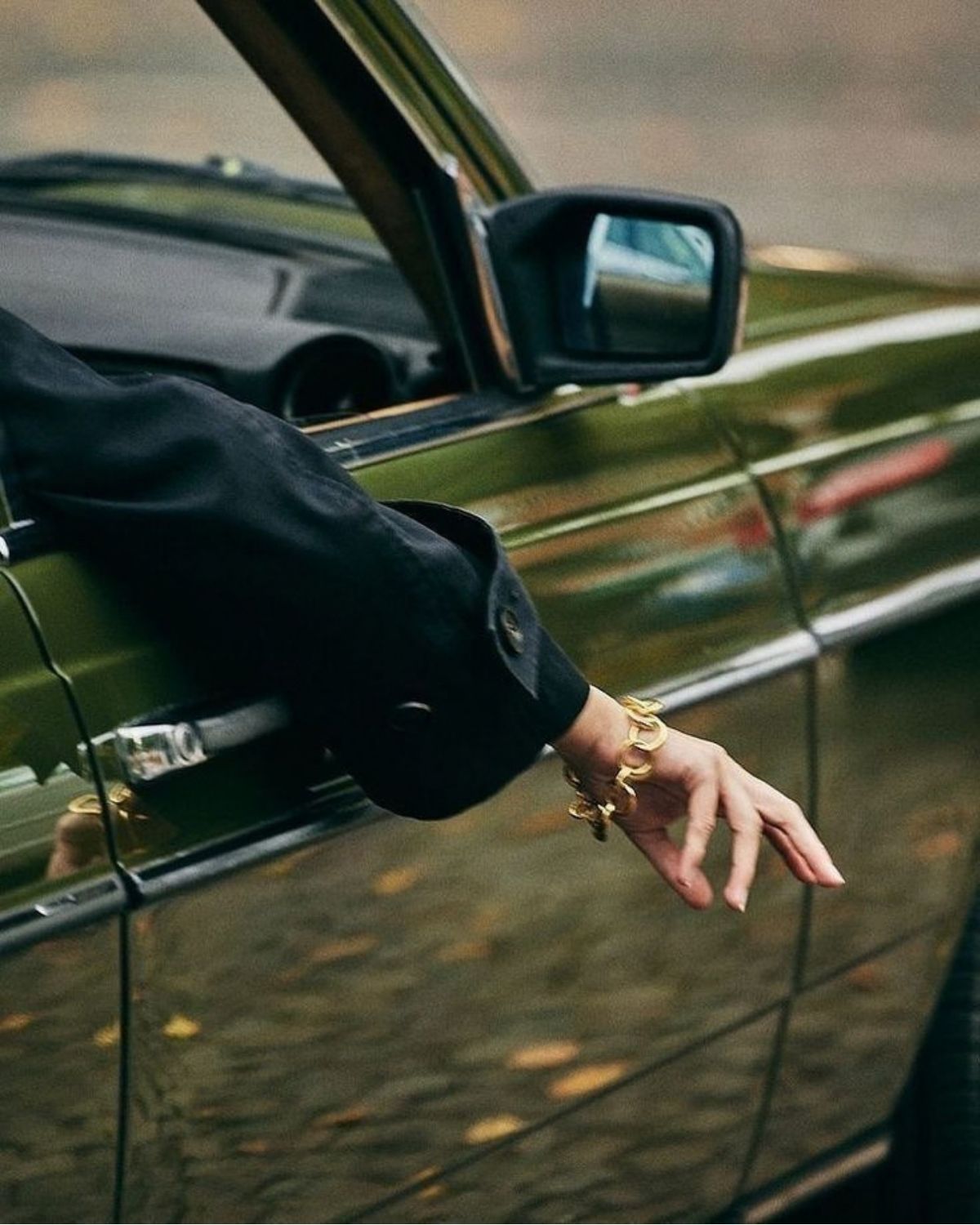
Valentina had learned young that an exit did not require an announcement. Finish the conversation. Take the call. Leave the room. Get in the car. People who needed explanations could generally construct one after she was gone.
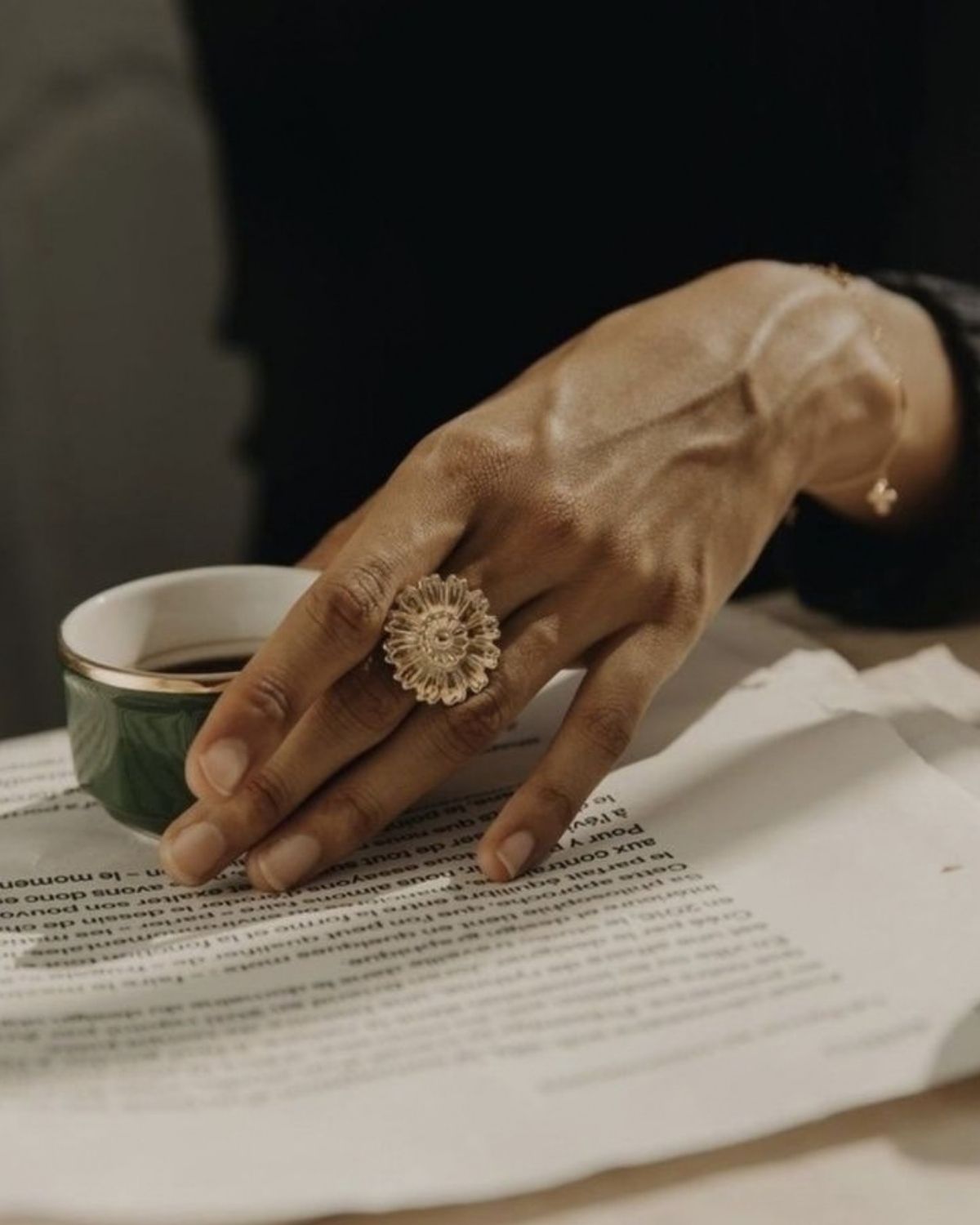
Most consequential decisions arrived looking remarkably dull. A contract. An amendment. Three pages someone hoped nobody would read carefully. Valentina read carefully. Coffee cooled beside her while somebody else’s excellent idea became considerably less excellent.
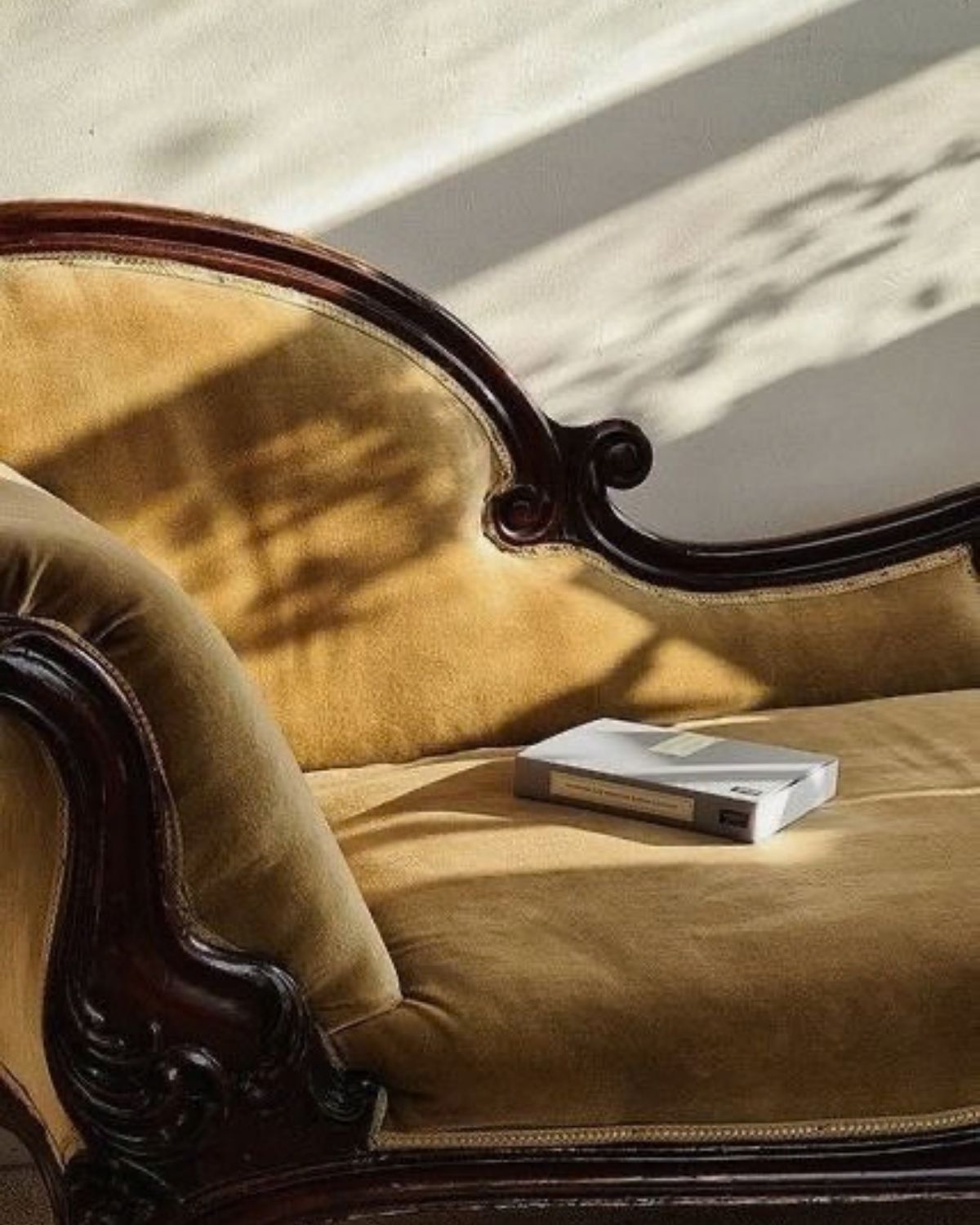
Some afternoons at Villa Lombardi contained absolutely nothing of consequence. A book abandoned on a sofa. Windows left open against the heat. Someone asleep upstairs. The family had spent generations arranging matters so that ordinary days were possible. They were considered one of the better returns on power.
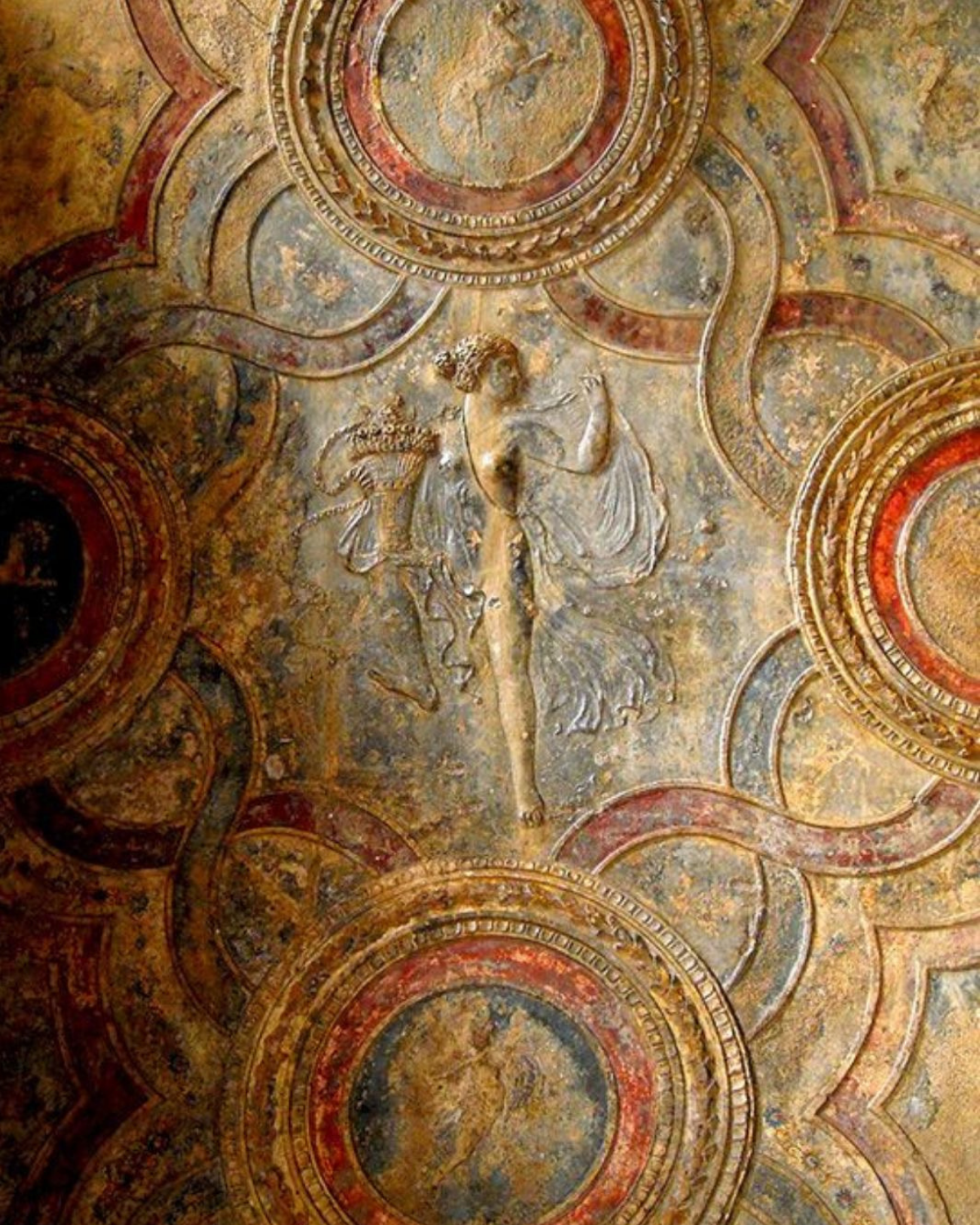
Palermo has always lived comfortably beside its dead. Saints watch from walls. Ancient faces survive in plaster and stone. Beauty fades, is restored, fades again. The lesson is less about mortality than proportion: whatever disaster feels enormous today has probably happened before, to someone wearing better jewelry.
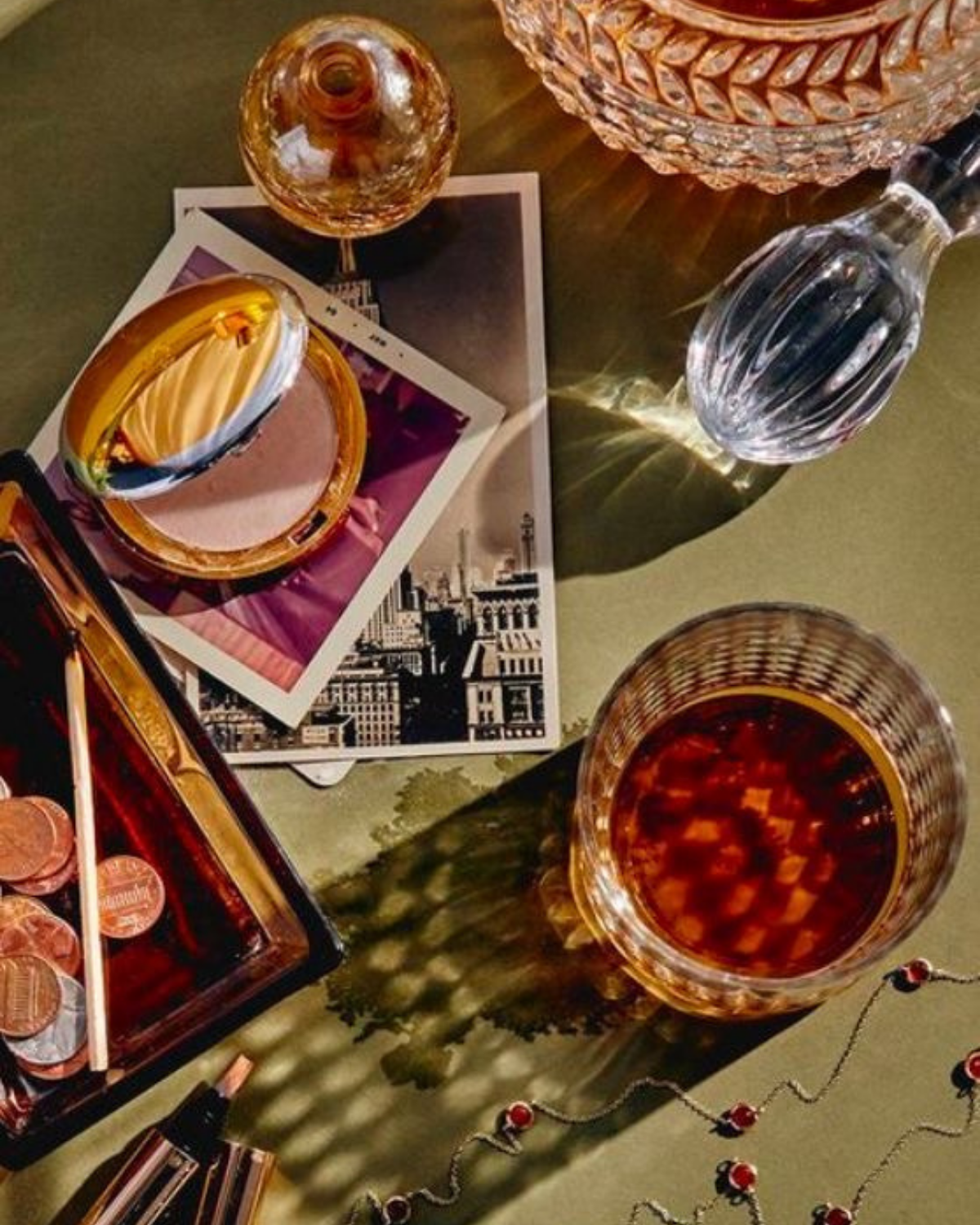
Some of Palermo’s most consequential conversations happened after everyone had supposedly finished talking. Lunch stretched. Coffee appeared. Someone ordered another drink. Jewelry came off a wrist and landed beside a glass. By the time the table finally cleared, a financing problem had disappeared, two introductions had been arranged, and nobody could quite remember when business had begun.
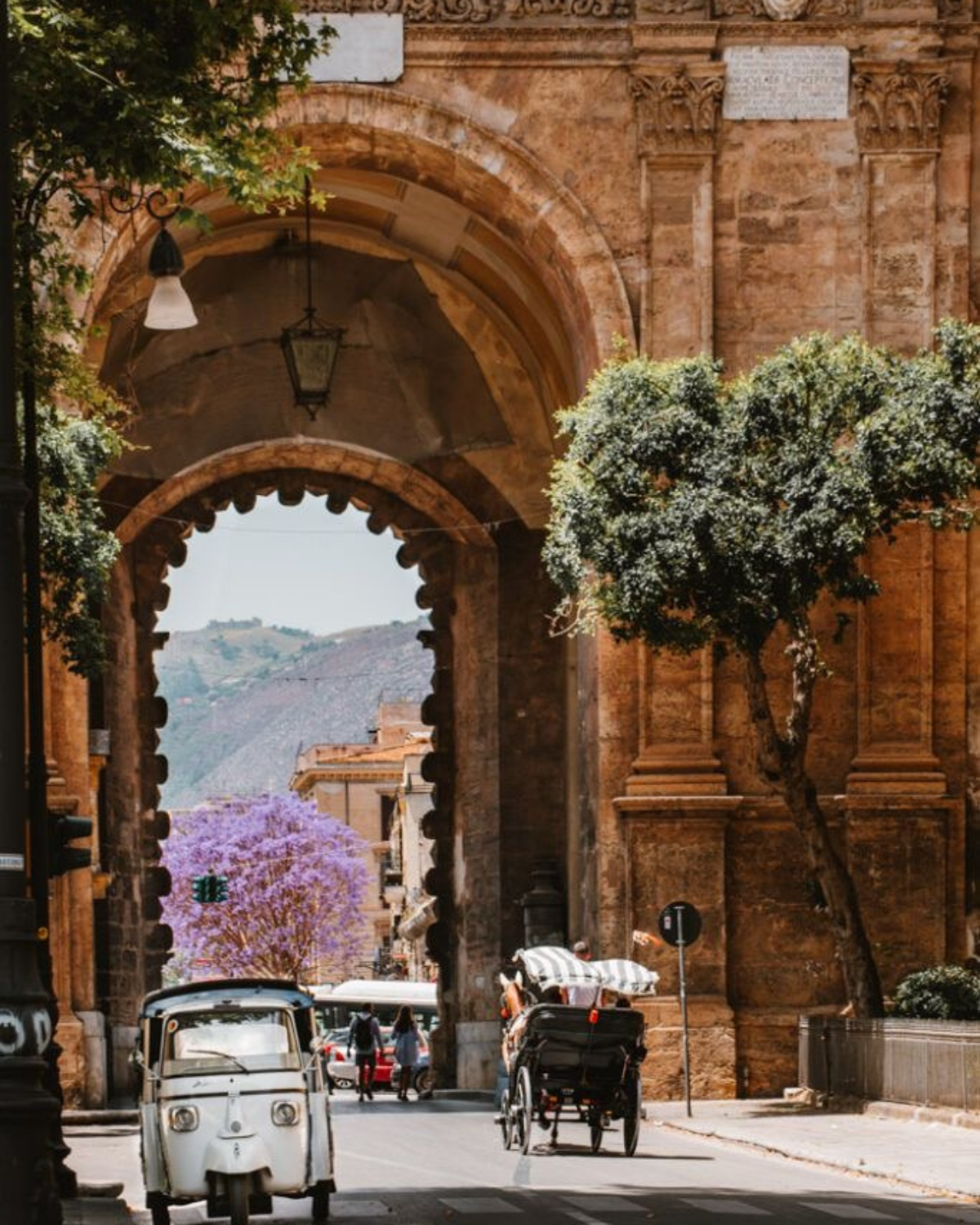
Palermo had been occupied, rebuilt, bombed, restored, argued over, prayed over, and stubbornly inhabited for nearly three thousand years. The city wore history casually. An ancient arch could frame a delivery van. A carriage might pass a motor scooter. Nothing seemed particularly interested in being picturesque. Life simply kept moving through the ruins.
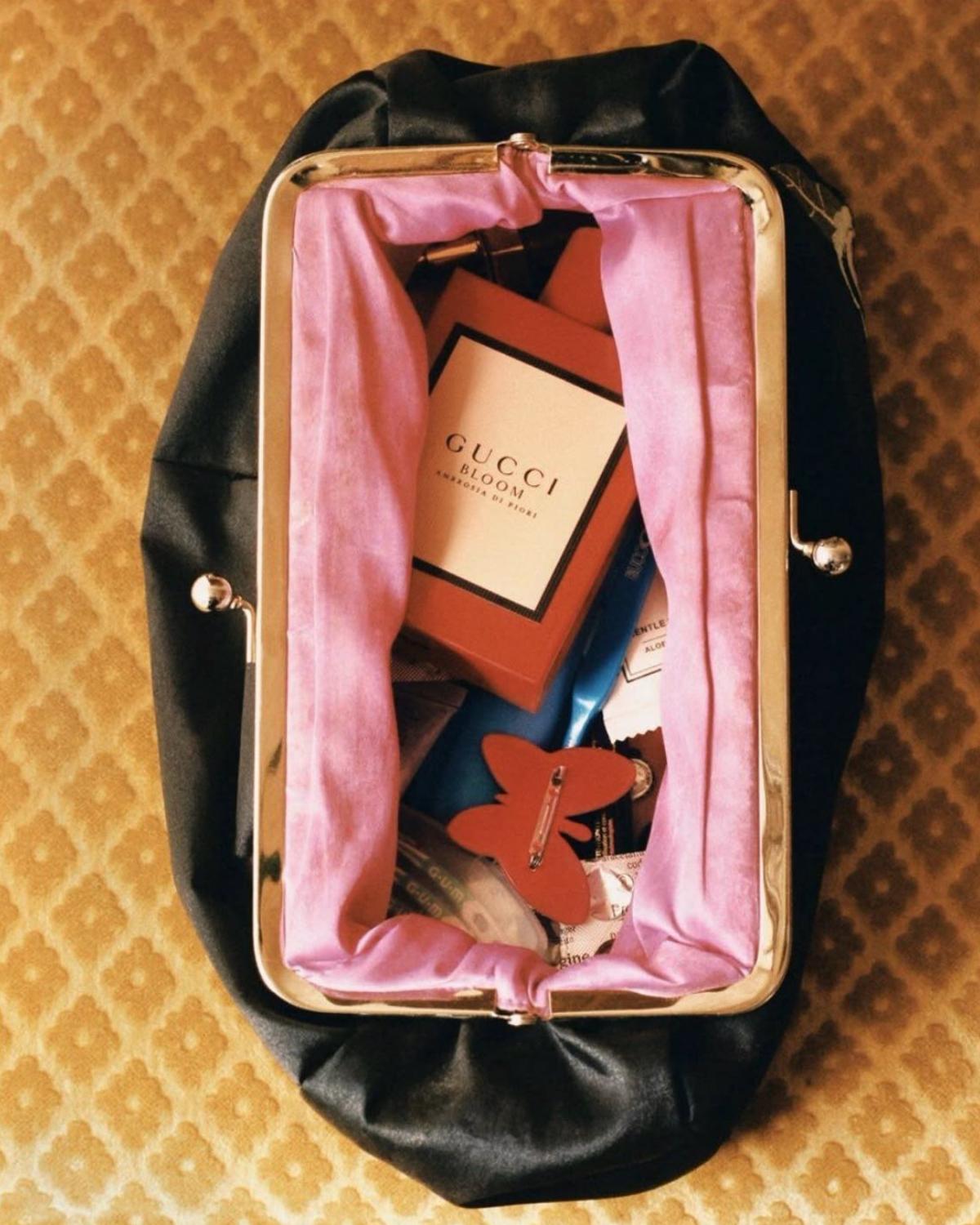
For most of her life, everything Valentina carried had a purpose. Documents. Obligations. The right dress for the right room. Lately, her bags had begun accumulating less defensible things: perfume chosen badly, silk chosen beautifully, purchases with no strategic value whatsoever. She considered this progress.